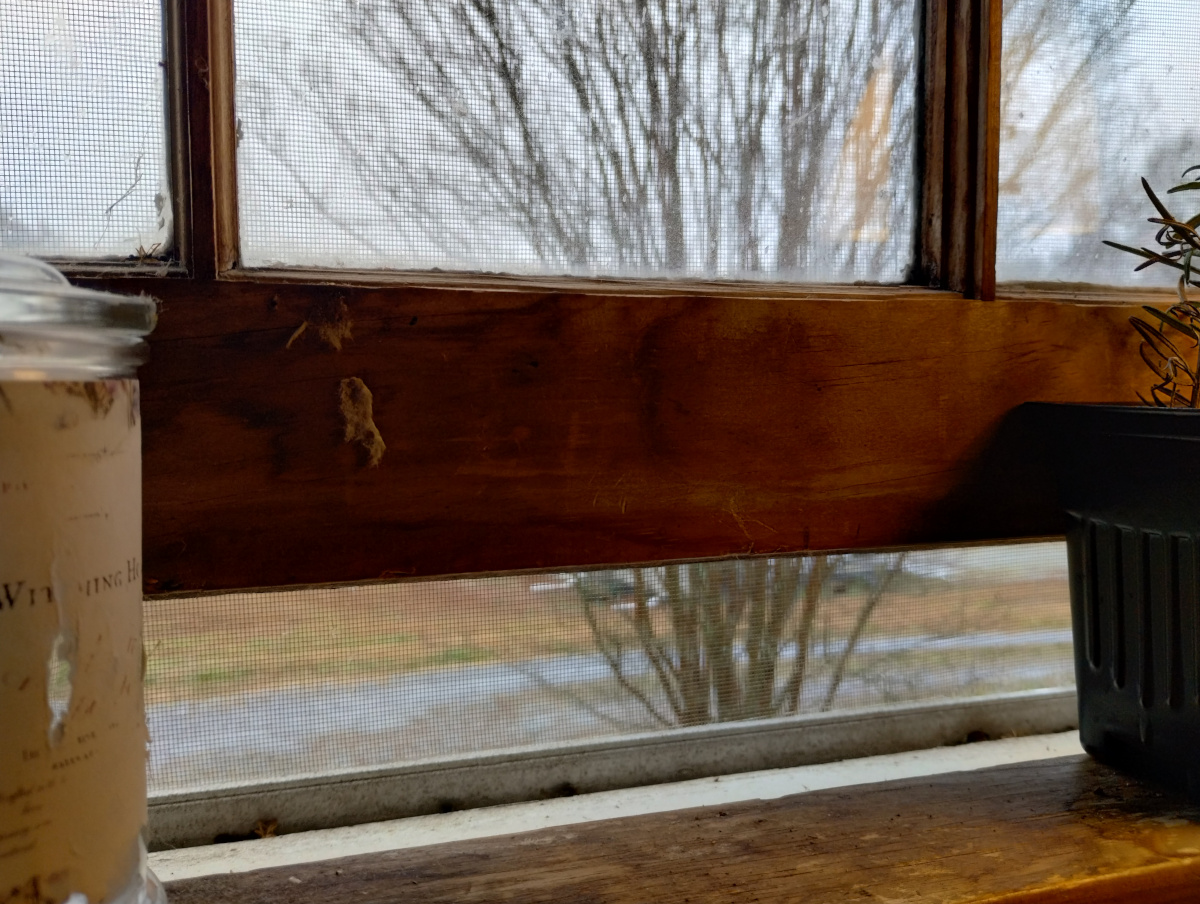
This weather here in Polk County is just too much to get your head around at times. I’m sure I’ve complained about it previously (who hasn’t,) and probably even at some point mentioned that we keep getting the same round of flooding annually right around the beginning of each new year.
2024 it seems was no different.
It took until January 8 this year before flood watches were put into effect, with another round of stormy weather arriving to bring more rain on the 12th.
The freeze we got at Christmas in 2022 showed up more than a year later in mid-January, bringing below-freezing temperatures (down to 9 degrees in some places) but once again, no snow. We get the impact of the cold but without any of the fun. Schools still took a day off due to the threat of frozen roads because of the wet weather that accompanied the bitter cold.
Here’s how crazy the swing can go: days later, we were in the 60s.
This past weekend when the above photo was taken, it got up to 71. As I write this, it’s in the 40s and only supposed to get up to 52 as the month closes.
You read that correctly. The first time I opened the windows in my house for 2024 was JANUARY. They went back down before the day’s end of course, but for two solid days, I enjoyed the mild temperatures that came with what seemed like endless rainfall.
Year after year, I suspect that this is the first of the impacts we will feel from climate change. Any normalcy we used to have with winter has completely given way to arctic blasts that leave Polk frozen without any white stuff on the ground, followed by sudden thaws caused by warm gulf air bringing lots of rain and unusually warmer weather.
I’m beginning to believe the art of building a snowman will be lost to future generations in the South with as rare as snow already was down in these latitudes. Who knows, we might be buried under a foot of snow by tomorrow with the way the weather changes here on the Georgia-Alabama line amid the tail end of Appalachia.
The argument whether climate change is natural or man-made is moot in my opinion. Probably its both, because even though science can correlate humanity’s impact through studies of things like ice cores and tree rings, nature has a way of also throwing monkey wrenches into anything we do as humans. We are and always will be operating at the whims of the wacky weather, including here in Georgia.
Rose-colored glasses from years gone by have left me with a bit of a bitter taste on the tongue when it comes to the forecast for winter here in Georgia. On the one hand, I hated the snow of Northern Virginia and the DC Metro Area during the few months I called our nation’s capitol home.
Where the nostalgia for previous decades of winter was in regularity; I could count on a range of temperatures where the cold would remain consistent.
Data doesn’t bear out that belief.
The average temp in January 1993 was at 50 degrees. This was two months before the milestone blizzard which southerners of present generations who lived through it mark as their big snow event. Just hours before it hit we were in the 60s in mid-March, right before my birthday.
January 2000 when I lived in Beaufort, I enjoyed mild temps that ranged from the 60s and 70s during the day and down to the 40s at night. You barely got below freezing ever in Beaufort. We had snow flurries ONE TIME while living at the beach, and the day ended up being 62. They still called off school due to the threat of icy bridges, not snow.
In my senior year of high school in Huntsville, there were early days of January when temperatures were up to 71 in January 2003. Then some days later temperatures dipped below freezing. All within the second week of the year through MLK Day. A two-week swing from a springlike experience right after Christmas to the depths of winter.
Doesn’t that sound familiar?
The same thing happened at Auburn in January 2007: wild swings from temperatures in the 60s and 70s in the first week of the year, dipping down and going back up before a crash in the middle of the month and students forced to bundle up in winter coats after enjoying t-shirt weather for several days.
When I look back just over a decade ago in 2009 after my first full year in Rome, I find the same thing happened: warmer temperatures to start the year, even a day or two above 70. Then a severe drop, even a few days with a high in the 20s on a couple of occasions, only after another warmup. By the end of the month? Highs in the mid-50s.
(This is by no means an overall statistical analysis of weather data, only snapshots of what it was like at the time to make a point for anyone who cares. -KtE)
I could go on, but I won’t belabor the point. I’m completely wrong in my memory. I think I understand WHY I am wrong yet feel I should be right.
We have been programmed by media conglomerates who want to advertise cold weather fashions to believe the “dead of winter” should come with certain conditions and cherished memories that don’t exist in the South.
Winter in the Northeast, Midwest, Plains, and out west in the Mountains means snow and ice, the ideal of kids building snowmen while parents watch and sip hot chocolate. Blizzards abound in these places where it is a sustained cold and the conditions are ripe for the white stuff we want to happen down here.
Yet none of this matches the experience of the South when it comes to the colder months – at least in the time I’ve been alive. Winter means random swings in temperatures and getting our fill of rain ahead of the on-and-off of soggy springs and burning summers. We are lucky if we get “fall weather” by October, and if we see any sustained chill in the air at all.
It isn’t as if we don’t get snow. It just comes at unexpected or inconvenient times (Blizzard of 93, and Snowpocalypse of 2011 for example) when winter should be over but comes back with a vengeance. Everywhere else it is expected to still be cold, but here? March is a time to get outside and start working again, not be stuck indoors due to snow and ice.
I got into this item initially to comment on the fact I had the windows open in January as if that was some kind of epic revelation of how the weather is changing on us. What I should have recognized – and probably will forget as I gripe about current conditions in the future – is that weather is forever moving forward and changing. I look back toward the winters of the past and think “It used to get much colder” when in fact the data doesn’t bear that out in my lifetime.
Maybe I should be glad we have wacky weather in Georgia for winter. It does make life interesting.