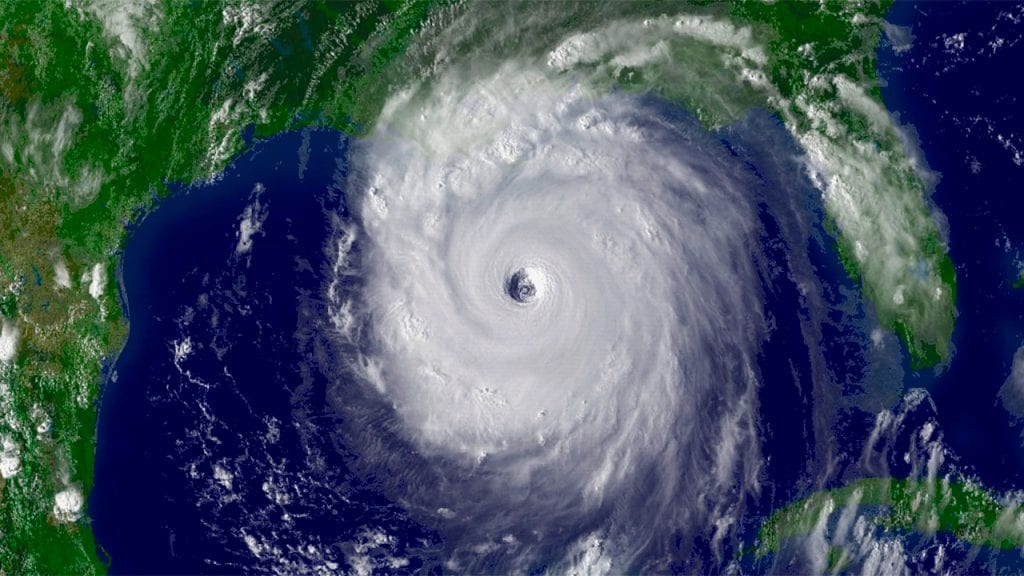
The quiet steady rain of the third tropical system of the year is pushing through Polk County tonight as I sit and write this, thinking of times past more than 20 years ago now when as a resident of the coast I was wondering whether a hurricane was going to destroy my room and all my earthly pre-teen possessions. The rain patters away on the window behind the bed and the darkness outside is as heavy as the humidity that’s come along with the remnants of Hurricane Ida, and I sit and remember times I could never forget and mandatory evacuations of years past.
While my family were all still together and living in South Carolina – Fripp Island, to be exact – we found ourselves some two years after moving to the beachside community being threatened by a hurricane and told to leave as fast as we could. We got caught in an hours-long traffic jam trying to flee from ahead of the stormy weather threatening the coastline, and ultimately we found ourselves lucky and didn’t suffer from any ill effects. We repeated this step around a year or two later or so, again lucky that we didn’t suffer any ill effects.
Not every community is lucky, and the results can be seen on the evening news year after year.
We sat up to take notice many years past to the perils of hurricane season and the need to ensure we’re able to get everyone out of their path. After all, when major American cities start to get pummeled by storm surge and heavy winds, it is usually a problem we Americans like to think we can do something about.
Sixteen years past, Hurricane Katrina was striking the gulf coast and displacing hundreds of thousands of people, causing billions in damage and the cause of many painful deaths in New Orleans. A city drowned for many weeks, a tragedy that many still haven’t fully recovered from since it occurred. We are fortunate the billions spent to reinforce the flood control system in New Orleans survived the impact of Hurricane Ida.
Deny it if you want to, but Hurricane Katrina was an example of what was to come because of climate change. In the time since we have watched more storms cause just as much damage, continue to cause the deaths of hundreds, and remain a bigger long-term threat to national security than we currently can conceive of at the moment.
Imagine what would happen if a nuclear-powered supercarrier with more than 5,000 sailors and marines aboard were caught up in one of these storms, forming quickly in the gulf and moving around in unexpected ways. 140 mph winds and a sailing airport don’t exactly mix.
The storms continue to grow in intensity. Over the past decade, we’ve been subjected to Hurricanes striking New York City (Sandy,) wrecking Puerto Rico (Maria and Irma,) causing major damage inland (Michael), and the Houston area being turned into a swampy mess (Harvey.)
My questions are as follows: why do we allow this to happen? What are we doing? How do we stop it now?
Many of the places I have visited or called home have since experienced the damages of the storms that are with the regularity of a clock in the past decades sweep into the coastlines and wreck anything in their path. Fripp Island, South Carolina, suffered from the impact of Hurricane Irma. At the time I didn’t see if the houses I once lived in still stood or not.
Hurricane Michael devastated one of my favorite beach vacation destinations at Alligator Point, Florida.
Inland here in Polk County, this year has seen rainy weather due to Tropical Storm Claudette, then Tropical Storm Elsa, followed by Fred, and now the remnants of Ida are here. Four named storms already, and we’re just now into the real heart of hurricane season.
What then can we expect as September begins on Wednesday, or heading into October and November? The first named storm formed before Hurricane Season officially was underway, so that doesn’t bode well for the future.
If that’s not enough, here’s something else to consider: in the past decade, more than 100 tropical systems have impacted and caused damage in the Atlantic basin and the Caribbean Sea. Billions of dollars the world could have used for something else beside rebuilding from damage that could have been prevented if we listened to people smarter than us in the first place.
Maybe I have grown up in an age when I am more accustomed to the ravages of nature taking their toll on the landscapes I call home. I shouldn’t have to be. Yet maybe surviving the perils that mother nature throws at us is part of what makes us human, and stronger for making the effort to rebuild.
I hope that we learn from it all, and ultimately are able to heal some of the scars caused by our own abuses of the world in which we call home together.